
About the author

Dragan Eldić
Chief Engineering Officer
The need for skilled software engineers is constantly growing as technology evolves. However, the demand often outpaces the supply, leading to a talent gap in the industry. This is where the importance of developing engineering talents in-house comes into play, an approach that has been deeply ingrained in the culture of Notch since its inception.
This article describes how we maintain a learning organization with a culture of continuous improvement.
Starting small, but fueled by technical excellence
This year, we celebrate our first decade in custom software development. Like all great stories, ours started small, with just a few people committed to making a lasting impact in software development.
With years of expertise in software development at some of Croatia’s hottest companies, our founding team decided it was time to take the plunge and set up shop as a custom software development company. They started with a small team of handpicked, brilliant young engineers fresh from university who shared our founders’ passion and hunger for technical excellence. “Hard-core engineering brains” is how our co-founder Domagoj Madunić describes them, a term that still applies today.
A decade later, with over 150 successful projects, roughly 160 talents, and 30+ global clients, we reflect on our “first ten” and what it took to build an organization fueled by technical excellence from the ground up.
With a reputation for their specific technical expertise (e.g., Java) and a deep understanding of enterprise business processes, the mini team has quickly established a small but significant client base. However, as the client base grew and the projects became more complex and international, the team had to define its approach towards bridging the gap between talent demand and supply. Choosing between the widespread “seniors only” attitude in tech and building talent within seemed like a tough decision—for about a millisecond.
-
 Domagoj Madunićco-founder
Since the start, we believed in the power of mentorship and developing talents in-house. Domagoj (Madunić, co-founder) was the driving force behind this approach, and it remains an essential part of our DNA until today. I am proud to say that he was my mentor, too. Many generations of exceptional developers have had the opportunity to be mentored by Domagoj himself, and plenty of them are still with us today. Our CTO is one of them – he started as a young developer and, over the years, advanced to his current position.” Michael Sedmak, co-CEO.

A healthy team structure for our projects and clients
“You need seniors who have street smarts and can see wider angles. But be smart and cost-efficient when and where it makes sense.” Roko Roić, co-founder.
Unlike many software development companies, we don’t claim to hire “only senior developers.” Saying, “We don’t hire juniors,” was never an option, as it would be an open admission that we’re not prepared to be part of someone’s career path. It essentially advertises stagnancy, which goes against everything we stand for as a company.
Maintaining a healthy balance of junior and senior developers offers numerous benefits to clients: it accelerates development speed, enhances product quality, and leads to a better return on investment.
Clients respect our commitment to delivering technical excellence while being transparent, and our employees benefit from a well-defined career path with plenty of room to grow and learn. This is the key to a long-term partnership with clients and employees.
Why In-House Talent Development?
In-house talent development focuses on enhancing the skills and knowledge of existing employees. It’s about investing in your people, fostering a culture of continuous learning, and building a robust talent pipeline from within. Here’s why it’s crucial:
1. Bridging the Skills Gap
The tech industry is dynamic, with new languages, frameworks, and tools emerging regularly. By developing in-house talent, companies can ensure their engineers are up-to-date with the latest technologies, bridging the skills gap. Clients also benefit from steady access to the newest technologies.
2. Retaining Top Talent
Employees are likelier to stay with a company that invests in their professional growth. In-house talent development programs can increase employee engagement, loyalty, and retention.
This year, Notch has celebrated the five- and ten-year milestones of 11 of its employees, which is an impressive tenure for a service company.
3. Consistent Quality
When a company develops its engineering talent internally, it can ensure consistent product and service quality. Our engineers are trained and mentored according to the company’s highest standards of technical excellence. This leads to greater customer trust and confidence. A track record of long-term customer partnerships is living proof of this approach.
“At Notch, the average client relationship lasts 3+ years, but several clients have been with the company for over eight years, some even from inception. These relationships have evolved into true partnerships, business-wise but, most importantly, from a human perspective. Many have developed deep bonds with our employees based on mutual trust and respect.“ Harvey Fijucek, Chief Customer Officer.
How to Implement In-House Talent Development
Here are some strategies for implementing in-house talent development that worked for us:
1. Regular Training and Workshops
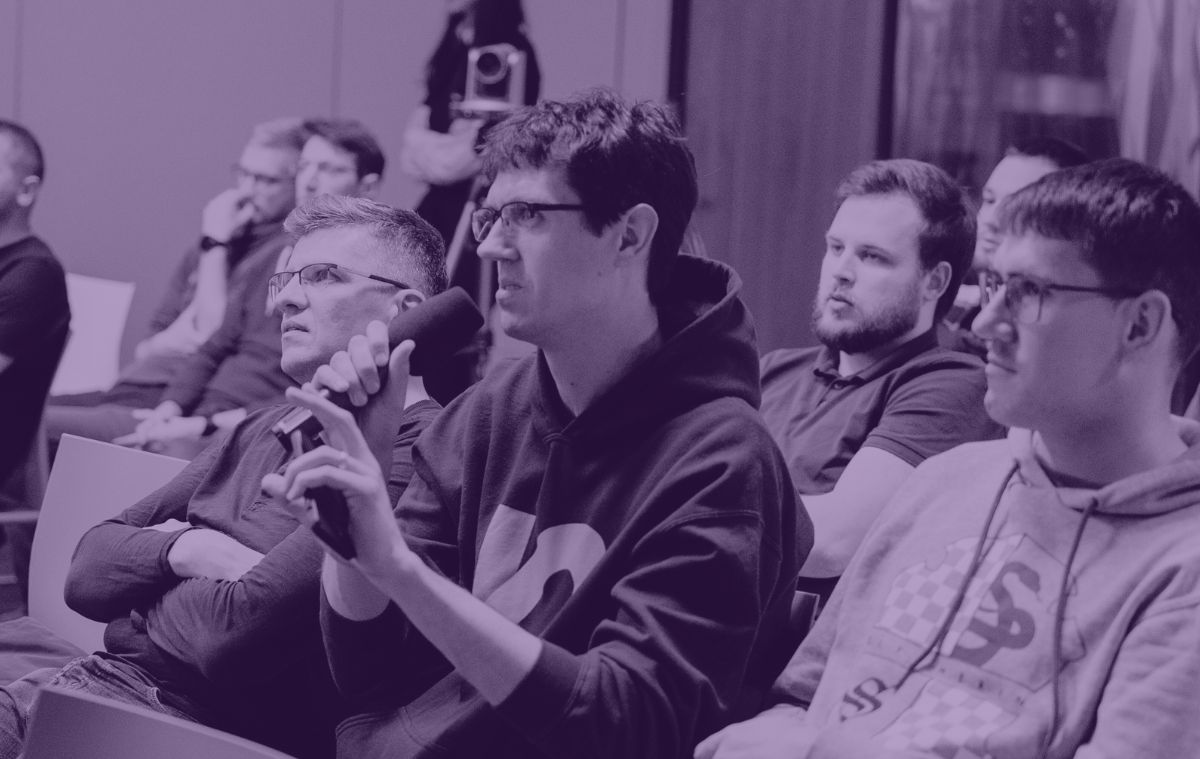
Conduct regular knowledge-sharing events and workshops on emerging technologies and best practices. Some of our initiatives include Learn@Lunch sessions, where colleagues share their knowledge on specific topics with their peers, and Notch Labs, a program focused on R&D efforts.
2. Mentoring and Coaching
Establish a mentoring program where senior engineers can guide junior team members. This will help in skill development and foster a culture of knowledge sharing. Our CTO organization is comprised of 11 senior engineers who are focused on knowledge transfer and R&D.
3. Encourage Self-Learning and knowledge sharing
Provide resources for self-learning and encourage employees to share what they have learned with others. Our engineers regularly publish articles about the latest technology trends, specific technologies, or what they have learned while working on external or internal projects. This creates room for building their personal brand and helping the developer community.
4. Real-World Projects
The best way to learn is to work on real-world projects or internal tools from day one. This provides hands-on experience and the opportunity to apply what they’ve learned.
We have developed an internal tool, a Competence Matrix (CMX) platform, which offers a clear view of employees’ skills and interests, supporting career development and team effectiveness. It allows each person to list their technical and non-technical competencies, find mentors, and help leaders track team progress.
5. Competence Matrix (CMX)
We developed an internal Competence Matrix (CMX), a platform that gives us an overview of our talents’ key competencies and development aspirations.
It also encourages knowledge sharing, helps us detect trending technologies, and individual employee-level interest in competency development. At any given time, CMX provides a real-time overview of the technologies in which Notch employees have the highest competency levels and an overview of ongoing client projects.
6. Giving Back to the Community
Community initiatives, such as meetups or developer events, promote knowledge sharing, innovation, and networking within the tech community. These events keep engineers updated with the latest technologies, provide learning opportunities, and contribute to the industry’s growth, but can also lead to collaborative projects, job opportunities, and mentorship opportunities.
We have a strong history of organizing events for junior talents, such as Spring Boot Summer School and Devcademy. We also regularly organize meetups for the wider engineering community, such as recent DevCrawl, Scrum, and BA meetups.
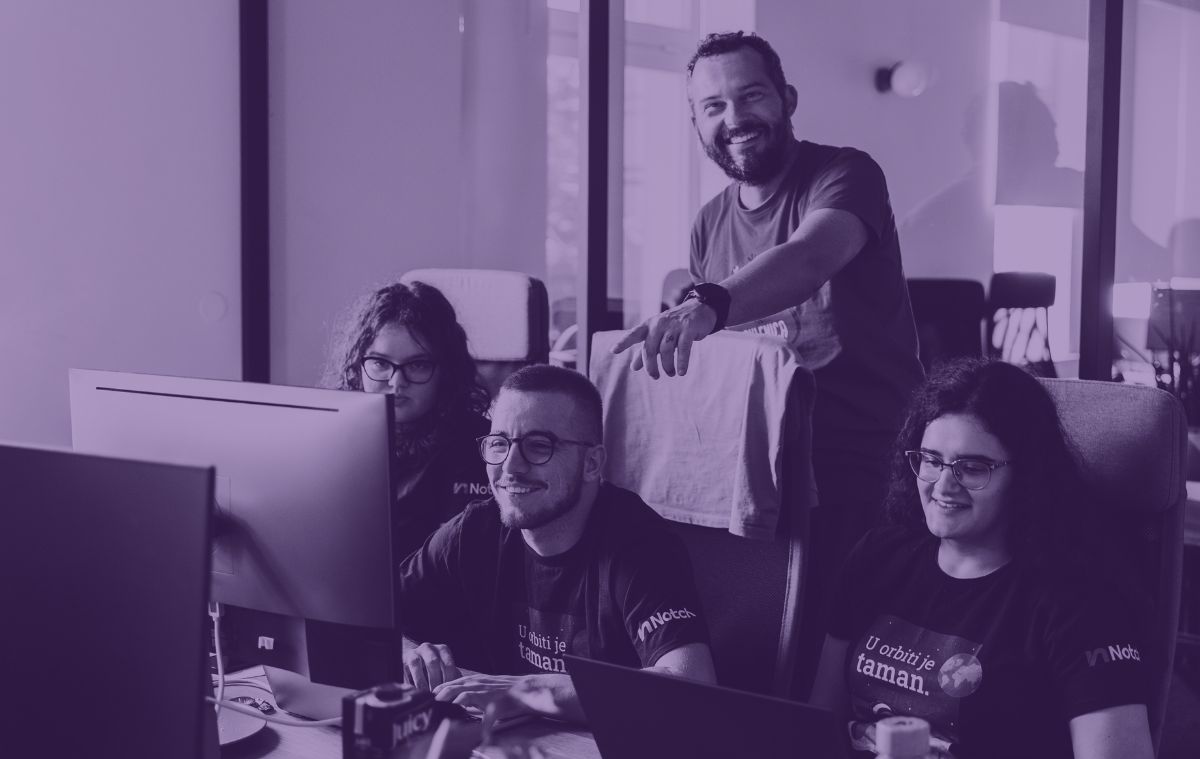
“If you can afford it, time and money-wise, grow and mentor your in-house talent—you’ll reap many benefits. Your company has lower turnover, higher diversity, and less overhead than the competition. Recruiting and retaining junior developers is integral to creating a quality workplace. There is no greater satisfaction for a founder than growing talent and seeing people succeed. “ Domagoj Madunić, co-founder.
Conclusion
In-house talent development is a win-win for both the company and its employees. It helps companies stay competitive in the changing tech landscape while empowering employees to reach their full potential. By investing in people, software development companies build a strong, skilled, and loyal workforce ready to take on the most complex client challenges.
Check out our open positions and join our team!


