
About the author

Srđan Peter Jozić
Senior Business Development Manager
In the post-Brexit era, it can be overwhelming to comply with EU regulations for UK businesses in order to access the single market. The idea behind these regulations is to simplify trade in the EU by setting unified rules that aim to provide a level playing field for all participants – and simultaneously eliminating the need for multiple regulatory standards across different member states.
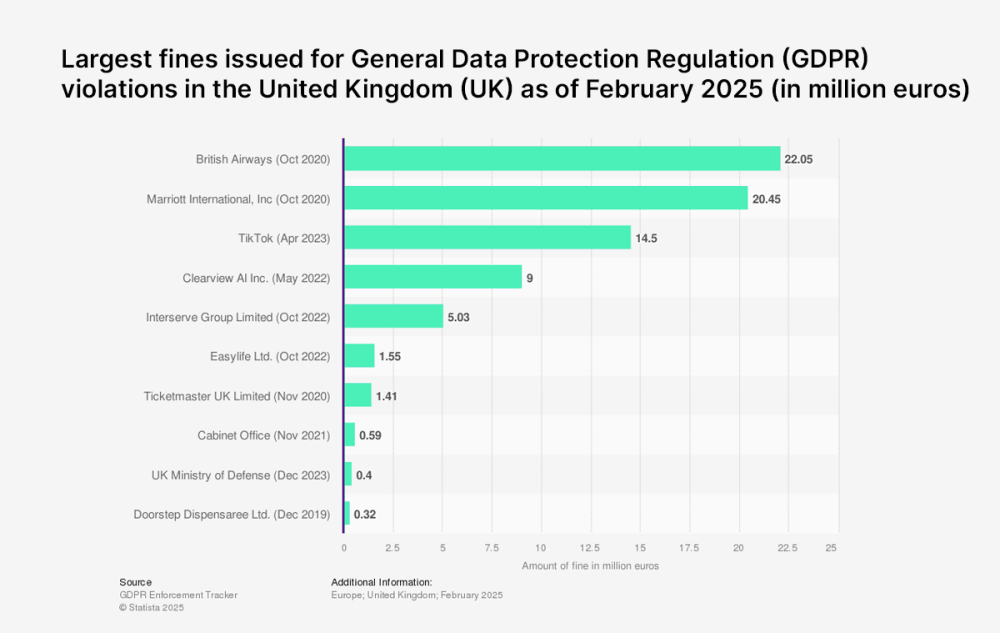
But for UK companies, this represents a challenge in having to navigate a range of EU regulations to ensure compliance. Otherwise, they could face steep fines – like the €22.5m penalty paid by British Airways for GDPR violations in October 2020.
We’ll take a look at the key regulations UK-based firms doing business in the EU need to adhere to and provide insights on how you can stay compliant.
Key Regulations
There are several EU regulations that are crucial for UK businesses operating in the EU to understand.
- Digital Operational Resilience Act (DORA): Focuses on enhancing the operational resilience of financial entities and critical ICT service providers, ensuring they can resist and recover from ICT-related issues.
- Network and Information Systems Directive (NIS2): Strengthens cybersecurity across critical sectors, requiring entities to implement robust risk management and incident reporting systems.
- General Data Protection Regulation (GDPR): Outlines data protection practices that place focus on transparency, mechanisms for consent, and the secure handling of personal data.
- Artificial Intelligence (AI) Act: Aims to ensure AI systems are secure, transparent, and accountable, aligning with GDPR and NIS2 to create a unified regulatory environment.
These regulations are intended to ensure compliance and establish a resilient digital framework for businesses operating within the EU. Understanding and complying with these regulations is mandatory for UK companies doing business on the EU market.
Let’s take a look at each of these regulations in more detail:
Digital Operational Resilience Act (DORA)
DORA focuses on minimizing ICT risks in the financial sector by establishing a framework that ensures companies can withstand and quickly recover from ICT-related disruptions.
Key Components
- ICT risk management: DORA requires financial entities to implement comprehensive ICT risk management frameworks. This includes identifying, assessing, and mitigating ICT-related risks with the goal of securing operational continuity.
- Incident reporting: Financial firms must establish mechanisms for the prompt detection and reporting of ICT incidents. This includes major operational or security incidents that could impact financial stability.
- Operational resilience testing: Regular testing, such as threat-led penetration testing, is mandated to ensure preparedness against cyber threats and ICT disruptions.
- Third-party risk management: DORA emphasizes the oversight of ICT third-party risks, ensuring that contracts with critical ICT providers align with regulatory requirements and include provisions for audits and inspections.
Network and Information Security Directive (NIS2)
NIS2 is aimed at enhancing cybersecurity across sectors critical to the EU economy. It broadens the scope to include more sectors such as energy, transport, and healthcare. NIS2 tightens cybersecurity requirements to ensure the continuity of essential services in the face of growing digital threats.
Key Components
- Risk management: Implements robust risk management systems to effectively identify and mitigate cybersecurity risks .
- Incident reporting: Entities must report significant cybersecurity incidents to relevant national authorities without undue delay, with a view of ensuring transparency and accountability.
- Supply chain security: Strengthening security measures across supply chains to prevent vulnerabilities that could compromise critical infrastructure.
General Data Protection Regulation (GDPR)
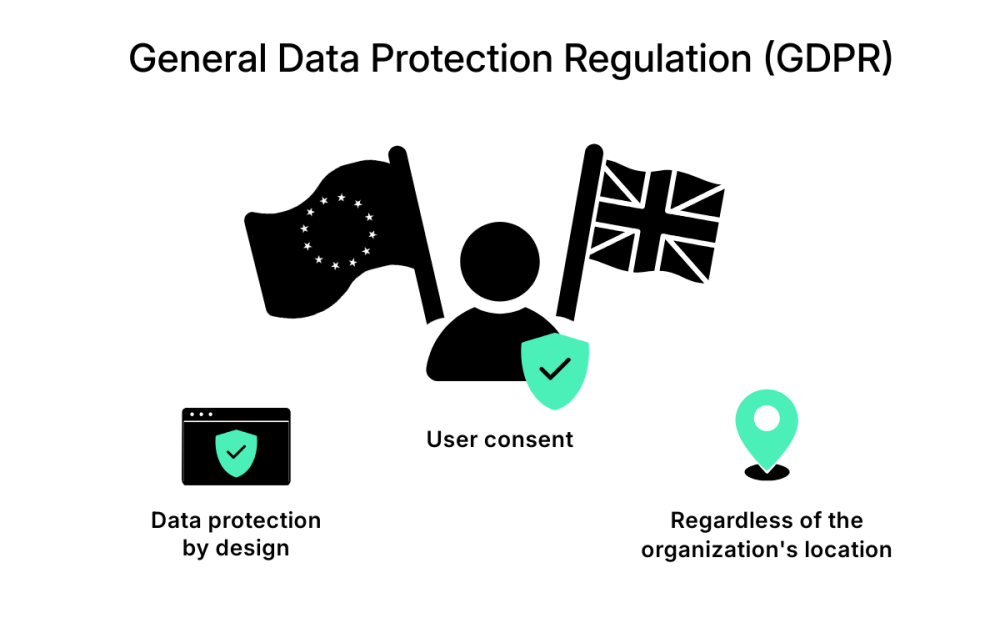
GDPR mandates robust practices for handling personal data, applying to any organization that processes the personal data of EU residents – regardless of the organization’s location. GDPR emphasizes transparency, consent, and secure data handling practices.
Key Components
- Data protection by design: Organizations are required to design products with data protection in mind.
- Data breach notification: GDPR requires prompt notification of data breaches to relevant authorities and individuals affected within 72 hours.
- User consent: Clear and informed consent is required for processing personal data, with mechanisms allowing individuals the ability to exercise the right to withdraw their consent at any time.
Artificial Intelligence (AI) Regulations
The EU AI Act is a pioneering regulatory framework with the aim of ensuring AI systems are secure, transparent, and accountable. It categorizes AI applications based on their risk level, imposing stricter requirements on high-risk systems. The Act aims to foster trustworthy AI in Europe, positioning the EU as a global leader in AI governance.
Key Components
- AI system safety: AIR sets standards for developing and deploying AI systems, especially those classified as high-risk, to ensure they do not pose unacceptable risks to safety or fundamental rights.
- Transparency: AI developers must provide clear explanations of AI decision-making processes, with increasing transparency demands for higher-risk categories.
- Accountability: The Act builds in accountability by requiring traceability of AI-driven decisions, enabling the identification of potential biases or issues.
How UK businesses can meet EU compliance
Risk Management Frameworks
Developing robust risk management systems is crucial for operational resilience. These are key steps to create an effective framework:
- Risk identification: Use techniques like risk surveys and even SWOT analyses to identify and map potential operational risks. This step is critical for a transparent risk assessment.
- Risk assessment: Evaluate risks outlined in the first step to understand their potential impact. This helps prioritize risks and allocate resources effectively.
- Risk treatment: Develop risk mitigation strategies, guided by regulatory frameworks. Ensure these strategies align with organizational goals and risk tolerance.
- Continuous monitoring: Regularly review and update risk management strategies to ensure they remain effective and adaptable to new risks.
Incident Response Plans
It’s vital to have comprehensive incident response plans for maintaining operational resilience. These plans should include:
- Preparation: Develop detailed response playbooks, train staff, and equip teams with necessary tools and resources to establish EU compliant reporting systems.
- Detection and analysis: Implement robust monitoring systems to quickly identify, classify, and report security incidents.
- Containment and eradication: Establish procedures for containing threats and restoring affected systems.
- Post-incident recovery: Conduct thorough reviews to update plans and strengthen defenses against future incidents.
One way to ensure rapid incident responses is by working with nearshore IT service providers, who are also compliant and well-acquainted with EU regulations.
Best practices to ensure GDPR compliance
The best practices for GDPR compliance include:
- Privacy by design: Add privacy safeguards into the design of products and services from the start. This involves conducting privacy impact assessments and minimizing data collection.
- User consent: Ensure clear and informed consent from users before processing their personal data. Default settings should prioritize privacy, requiring users to opt-in for data sharing.
- Data minimization: Collect only the minimum personal data necessary for a specific purpose, and ensure data is not processed for other purposes without legitimate grounds.
Data Breach Preparedness
To prepare for data breaches:
- Detection mechanisms: Implement systems to quickly detect data breaches, such as monitoring for unusual data access patterns.
- Response plans: Develop comprehensive response plans that include notification procedures for affected individuals and relevant authorities within 72 hours of discovering a breach.
- Regular audits: Conduct regular security audits to identify vulnerabilities and strengthen data protection measures.
Adapting to AI Regulations
AI System Design
Designing AI systems with safety and transparency involves:
- Safety standards: Ensuring AI systems meet rigorous security standards – especially for high-risk applications – to prevent unacceptable risks to safety or fundamental rights.
- Transparency measures: Implement mechanisms to provide clear explanations of AI decision-making processes, boosting trust and accountability.
Transparency and Accountability
Clear AI decision-making processes are essential for accountability:
- Explainability: Develop AI systems that can explain their decisions, ensuring users understand how data is used and processed.
- Audit trails: Maintain detailed records of AI-driven decisions to facilitate audits and compliance checks.
- User control: Provide users with control over their data and AI-driven outcomes, ensuring their rights are respected throughout the AI lifecycle.
Conclusion
To summarize, navigating the complex landscape of EU regulations is crucial for UK businesses operating in the European Union. Key regulations include:
- Digital Operational Resilience Act (DORA): Focuses on enhancing operational resilience and cybersecurity for financial entities and ICT providers, emphasizing robust risk management and incident response.
- Network and Information Systems Directive (NIS2): Strengthens cybersecurity across critical sectors, requiring enhanced risk management and incident reporting.
- General Data Protection Regulation (GDPR): Mandates robust data protection practices, emphasizing privacy by design, user consent, and data breach preparedness.
- Artificial Intelligence (AI) Regulations: Aim to ensure AI systems are safe, transparent, and accountable, aligning with broader EU goals for digital governance.
Compliance strategies involve developing robust risk management frameworks, implementing comprehensive incident response plans, ensuring GDPR compliance through privacy by design and data breach preparedness, and designing AI systems with safety and transparency in mind.
Future Outlook
The EU regulatory landscape is continually evolving to respond to emerging risks. As new challenges arise, regulations will adapt to ensure a secure and trustworthy digital environment.
Because of this, it is essential for UK businesses operating in the EU to maintain a proactive approach to compliance. This includes:
- Continuous monitoring: Regularly review and update compliance strategies to align with new regulations and emerging risks.
- Invest in technology: Leverage technology to enhance operational resilience, cybersecurity, and data protection capabilities.
- Training and awareness: Ensure staff are well-trained and aware of regulatory requirements to foster a culture of compliance.
- Collaboration and information sharing: Engage with industry peers and regulatory bodies to stay informed about best practices and upcoming regulatory changes.
By embracing these strategies, UK businesses can not only comply with EU regulations but also position themselves as leaders in digital governance and operational resilience, ultimately enhancing their competitiveness in the European market.
Talk to us
If you’re a UK company already doing business with the EU or planning to start, talk to us about ensuring your systems comply with EU regulations.


